




Daily Home Care:
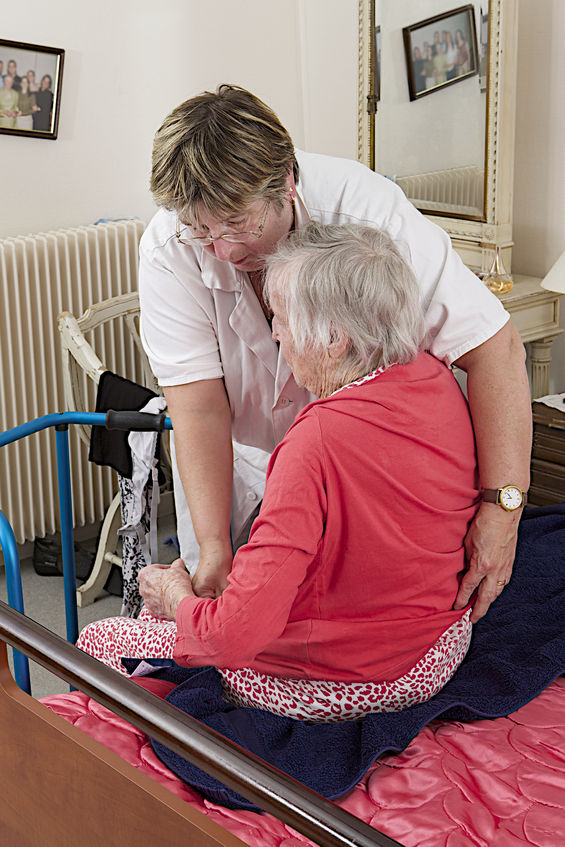
Help with getting up, going to bed, making your bed, washing and dressing and using the bathroom, support with meals preparation and eating, and with medication. We can help you with shopping or go to the shops with you. We can help with you with light domestic tasks and keep your home clean and tidy. We can also provide support with social your chosen activities.
Our dedicated carers will provide you any level support you need within your home. We develop an individually tailored care and support plan, and review this with you and your family as needed to ensure we are still meeting your needs.

Home from Hospital:
We offer can support you after you leave hospital. We can meet you on your discharge to assess your needs and arrange immediate support for you, as you recuperate within your home environment. Depending on your needs and how you want your support, this could be day and night.
Night Care
We can look after you through the evening and night offering you reassurance. One of our experienced highly trained carers can stay with you for the whole night between 10pm and 7am, or just till late evening. Just tell us what you want.

Respite
We can provide various level of respite care support you. This could be from 1-hour companionship to 24-hour support. We will discuss your individual support with you and your family.

Live-in care
Our live-in care gives you the option of receiving 24 hour care within the comfort of your own home if you do not want to move into a care home. We can provide continuous support for you, as you need it, with personal care, housework, social activities.
We will keep you in control and only visit you at home on your invitation to discuss what is important to you, and how you will like to receive your support.
We endeavour to match you with the right person, by first introducing the staff to you prior to starting your service.
We will review your care with you regularly to check that we are still meeting your needs and you are satisfied with our service.
Our highly trained care staff will respect you, your personal space, your home and your privacy.
Specialist Care Services:
Dementia Care:
Dementia is the name for a group of symptoms caused by disorders that affect the brain. Memory loss is usually the earliest and most noticeable symptom. Other symptoms may include, difficulty recalling recent events, with recognizing people and places, finding the right word and planning and carrying out tasks.
We recognise each person is unique, with their own life history, personality, likes and dislikes. Within the scope of our care, we will focus on what you are able to do, not on what you may have lost, and on what you feels rather than what you remember. Our competent carers will support you to live well with your conditions.
End of Life
End-of-life care refers to health care, not only of a person in the final hours or days of their lives, but more broadly care of all those with a terminal condition that has become advanced, progressive, and incurable. We will support you to still live as well as possible, and to die with dignity.
Mental Health
A mental illness is a behavioural illness that causes significant distress or impairment of personal functioning, which may be persistent, relapsing, remitting, or occur as a single episode. People can recover from mental illness and return to live life in full. Our carers will support you in the process of recovery to regain capacity to function independently.
Learning Disability:
Learning disability is a classification that includes several areas of functioning in which a person has difficulty learning in a typical manner. Our trained carers will support clients to live a meaningful life and fully participate in society, through focusing on your strengths.
Companionship, Social inclusion and Other Activities Support Services
- Sitting in service
- Collecting pension or visiting the bank with clients
- Accompanying clients to do shopping for food and other items
- Accompanying clients to leisure activitiesEnjoying a chat over a cup of tea
- Company while doing crafts or hobbiesGoing to a day service
- Visiting a community centre
Personlisation Services
The 2014/2015 Care Act required Local Authorities to assign a Personal Budget to all people who are eligible for support. By law, Personal Budget holders can decide how, who with and where they wish to spend that budget in order to meet their needs and achieve the outcomes of their support plan.
Our Support
Our Personalisation Service
We provide support for Adults and Children/Parents to maintain their finances and to choose the correct type of support to enable them live independently with their self-directed support.
We will work with local authorities.
We provide support for individuals to employ specialist personal assistants to provide them with emotional and practical support.
We can managing individuals’ finances to enable their family/ carers members tohave a break from their caring roles.
Personal Assistance Support
We work with local authorities and Clinical Commissioning Group procurement Departments, to offer choice and control over your care support through personal
budgets.
Personal Assistance Support Services
Our Personalisation Support Service can provide support to service users in receipt Direct Payments, Personal Budget, Personal Health Budget and those funding their
own care support.
We work with adults and children and parents/carers to effectively manage their finances and choose their preferred type of support to live an independent life with
self-directed support.
- We support individual service users, to employ specialist personal assistants to provide them with daily practical, social and emotional support.
- We provide general advice and information about the options available.
- We provide support in finding and employing personal assistants
- We provide support with managing their Direct Payments/finances (Management account service)
Choosing and Employing a Personal Assistant
Employing a Personal Assistant means you will be their employer and will have to deal with any employment issues yourself.
Suggestions of things to consider when choosing your PA
Ensure you feel safe and comfortable with them.
Ensure they are reliable, kind, and you can support you at the times of day or night you need them, including night-time emergency.
Ensure they have the right experience and skills and they can meet your specific needs.
Ensure you are happy with their references, employment checks, DBS (Disclosure and Barring Service) checks, and are they eligible to work in the UK.
Recruiting a PA
If you want to recruit a PA you need youto create a job description, which outlines how you want them to help and support you.
Decide on the number of hours you want them to work and what times (day/night-times).
Decide on the rate you will pay, (hourly/ live in rate).
Write and place a PA job advert.
Drafting an employment contract.
Selection Process
Read through CVs and personal statements.
Select a few candidates you feel best suit your criteria.
Prepare interview questions and identify interview venue (a safe, public place).
Identify candidate (s) most suitable to work for you.
Check candidates’ eligibility to work in the UK.
Inform both the successful, and unsuccessful candidates
Check the successful candidate’s previous work references
Carry out Disclosure and Barring Service (DBS) checks
Agree a start date
Available Support
We can provide practical support, guidance and advice when finding and employing the right PA for yourself
We can provide general information and advice.
We can assist in the arrangements to employ a Personal Assistant.
We can support with you with some of the ongoing practicalities e.g. managing payroll.
Advice On What To Do If You Plan to Recruit a PA Independently
You place advertisement in your local newspaper, magazine or website, to help attract suitable applicants.
Don’t put your home address or home phone number in an advert.
Arrange interviews in public spaces, (café’ local library).
Ensure you have someone you trust with you for support, who can give you a second opinion.
Request for at least two references from their previous employers, and one to be from their last employer.
Ruils Employ-a-PA website provides a step-by-step guide on how to recruit and employ a PA and a range of tools to help you.
Supported accommodation for vulnerable young people, including
those with complex needs. Supported accommodation/ semi supported
accommodation for 16+
Our support
We provide temporary, supported housing projects for young people, aged 16+. that they are staffed 24 hours and offer intensive one to one support.
Live-in Supported Accommodation
We work in partnership with other agencies to provide a complete service to young people so that they are able to overcome their personal barriers and make more
positive changes in their lives.
We can provide shared houses with all the essential furnishings provided, with shared facilities including a laundry room, community room with TV, computers and
internet access.
One to One
We provide one-to-one support in Life skills for independent such as:
Domestic tasks management
Tenancy management
Money & bills management
Careers advice
Support in finding further education, employment or training
Employability training
Health and wellbeing advice